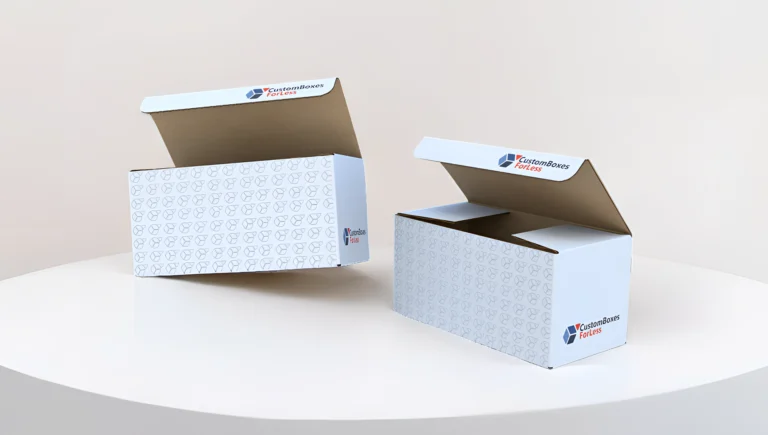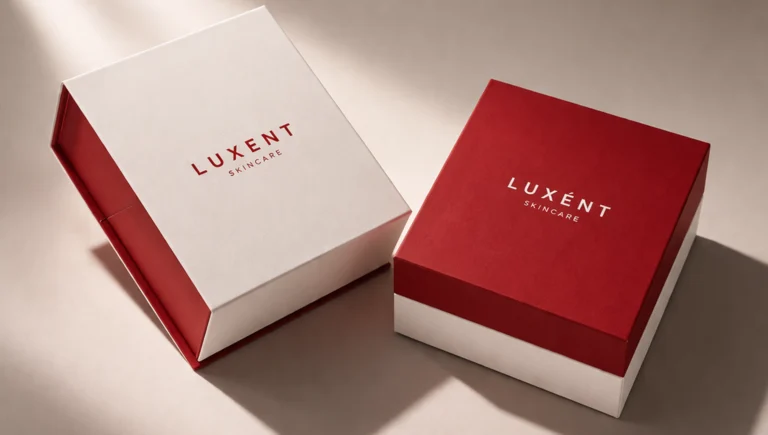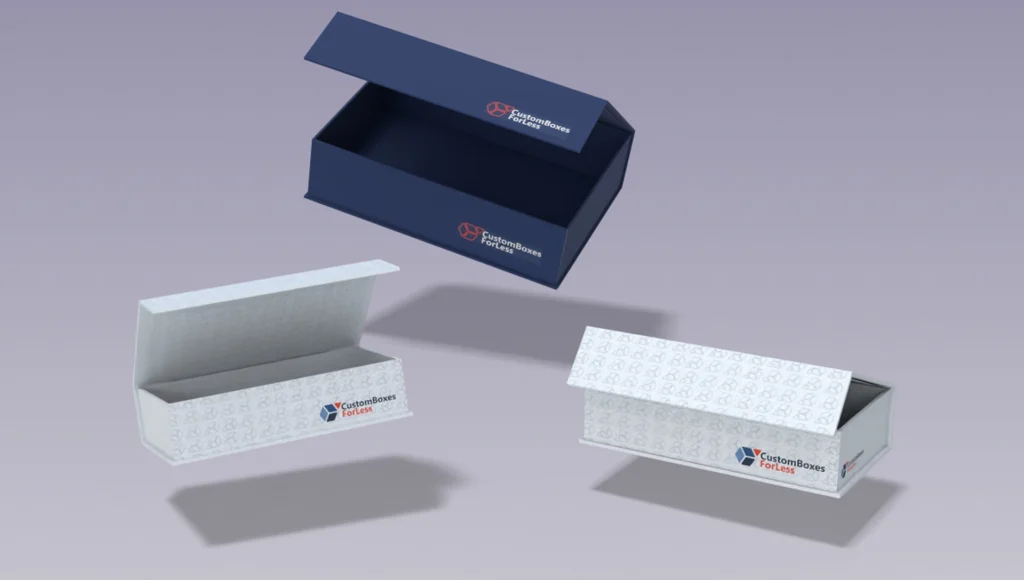
Introduction: Why Rigid Boxes Define Premium Packaging
In the world of product packaging, first impressions are everything. When a customer holds a custom rigid box, they aren’t just holding a container—they’re experiencing your brand’s commitment to quality, attention to detail, and value.
Unlike standard folding cartons that arrive flat and require assembly, rigid boxes (also known as setup boxes) are pre-constructed, incredibly sturdy, and convey an unmistakable sense of luxury. From jewelry and electronics to cosmetics and high-end spirits, rigid packaging has become the gold standard for products that demand protection and prestige.
But is rigid packaging the right choice for your brand? What are the actual pros and cons? How do you navigate materials, customization, and costs?
This comprehensive guide answers every question. By the end, you’ll know exactly what custom rigid boxes are, whether they fit your product, and how to order them with confidence.
What Are Custom Rigid Boxes? (Definition & Key Characteristics)
Custom rigid boxes, often called setup boxes or hard boxes, are a type of premium packaging made from thick paperboard (typically 800 GSM to 1200 GSM thickness) that is wrapped in high-quality paper, fabric, or leatherette.
Unlike folding cartons, rigid boxes are:
Pre-constructed: They arrive fully assembled and ready to use.
- Collapsible: They arrive as easy to assemble and cost considerably less than pre-constructed ones.
Structurally rigid: Made from high-density chipboard, they resist crushing and maintain shape.
Wrapped: The outer layer is a decorative paper or fabric wrap, allowing for extensive customization.
You can also find more information about Custom Boxes for Less and our Rigid Boxes on google by clickin here.
How They Differ from Other Packaging
| Packaging Type | Material Thickness | Assembly Required | Best For |
|---|---|---|---|
|
Cardboard Boxes |
Thin |
Yes |
Everyday Retail, food, cosmetics |
|
Corrugated Boxes |
Medium (Fluted) |
Yes |
Shipping, heavy items, e-commerce |
|
Rigid Boxes |
Thick (800 GSM+) |
Collapsible – Yes Pre-constructed – No |
Luxury Items, gifts, high-end products |
Key takeaway: If your goal is to create an unboxing experience that feels special and protects high-value items, rigid boxes are the definitive choice.
Types of Custom Rigid Boxes: Finding Your Perfect Style
One of the greatest strengths of custom rigid boxes is the variety of styles available. Each style offers a distinct opening experience and functional benefit.
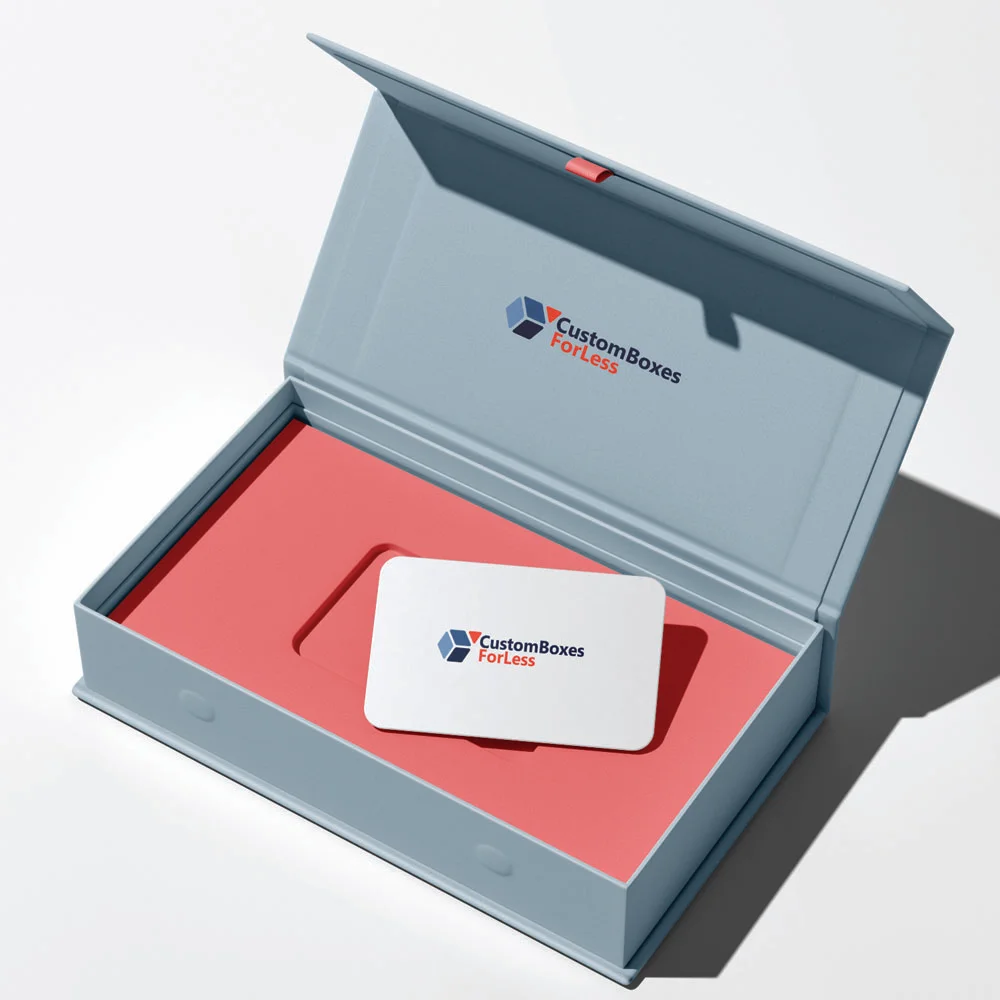
1. Magnetic Closure Rigid Boxes
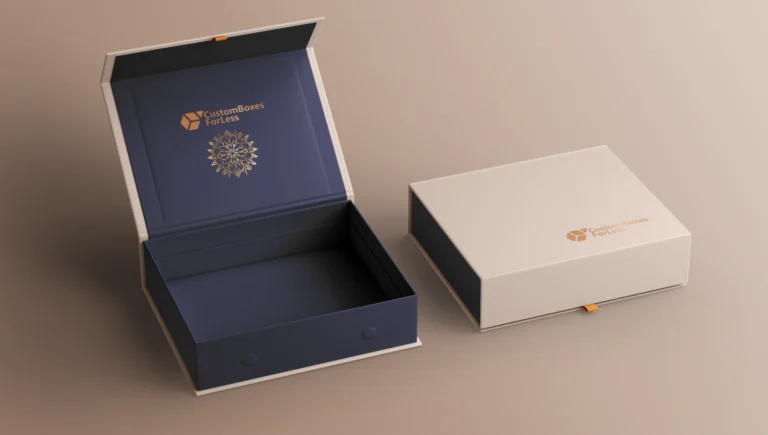
The most popular style for luxury products. Hidden magnets are embedded into the lid and base, creating a satisfying, secure closure.
Best for: Jewelry, watches, smartphones, high-end electronics.
Advantage: Effortless open/close; feels premium; reusable.
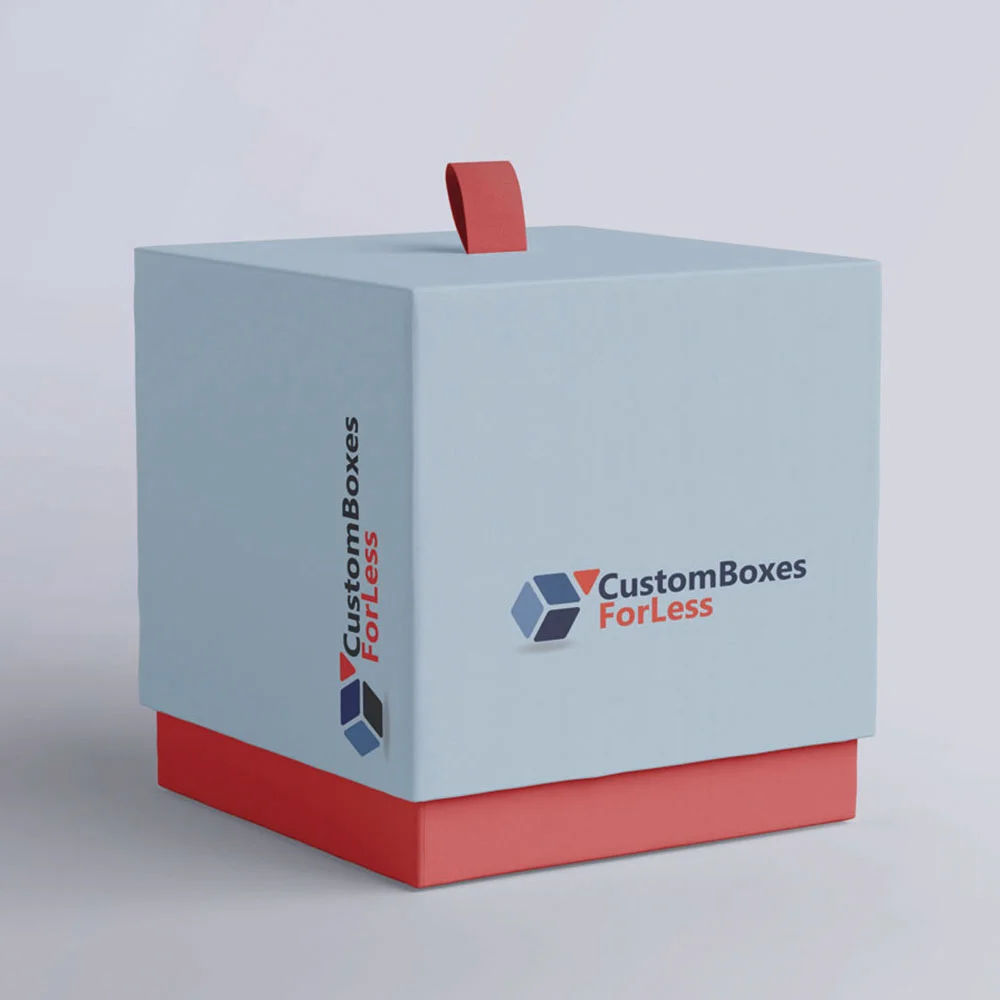
2. Two-Piece (Lid & Base) Boxes
A classic design where the lid is separate and fits over the base. Offers a traditional, elegant presentation.
Best for: Apparel, shoes, gift sets, cosmetics.
Advantage: Timeless; customizable lid height; sturdy.
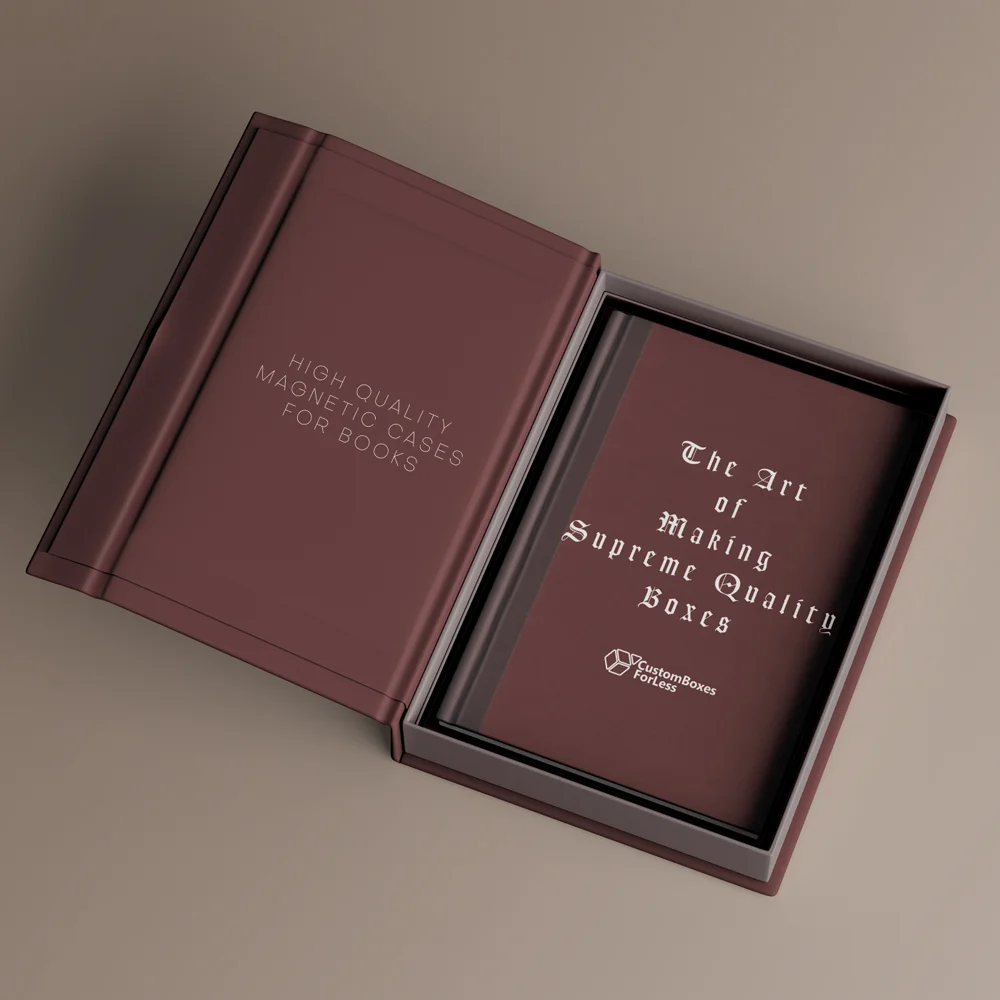
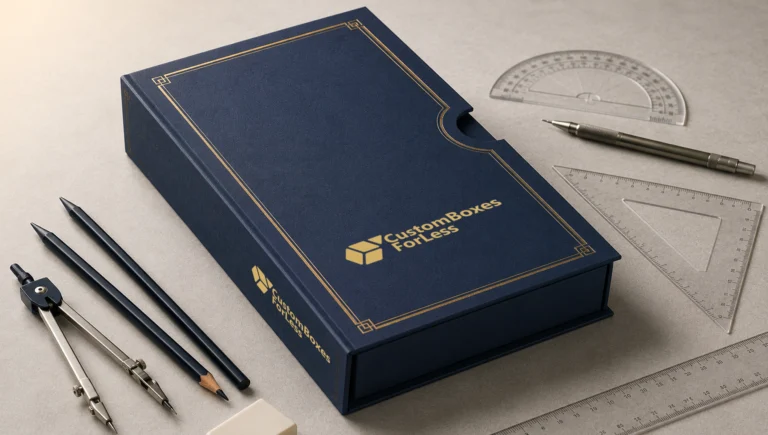
Opens like a hardcover book, often with a magnetic closure on the front edge. The hinge allows for a flat, wide interior display.
Best for: Photographs, presentation folders, collectibles, tech gadgets.
Advantage: Shelf-like display; excellent for retail counters.
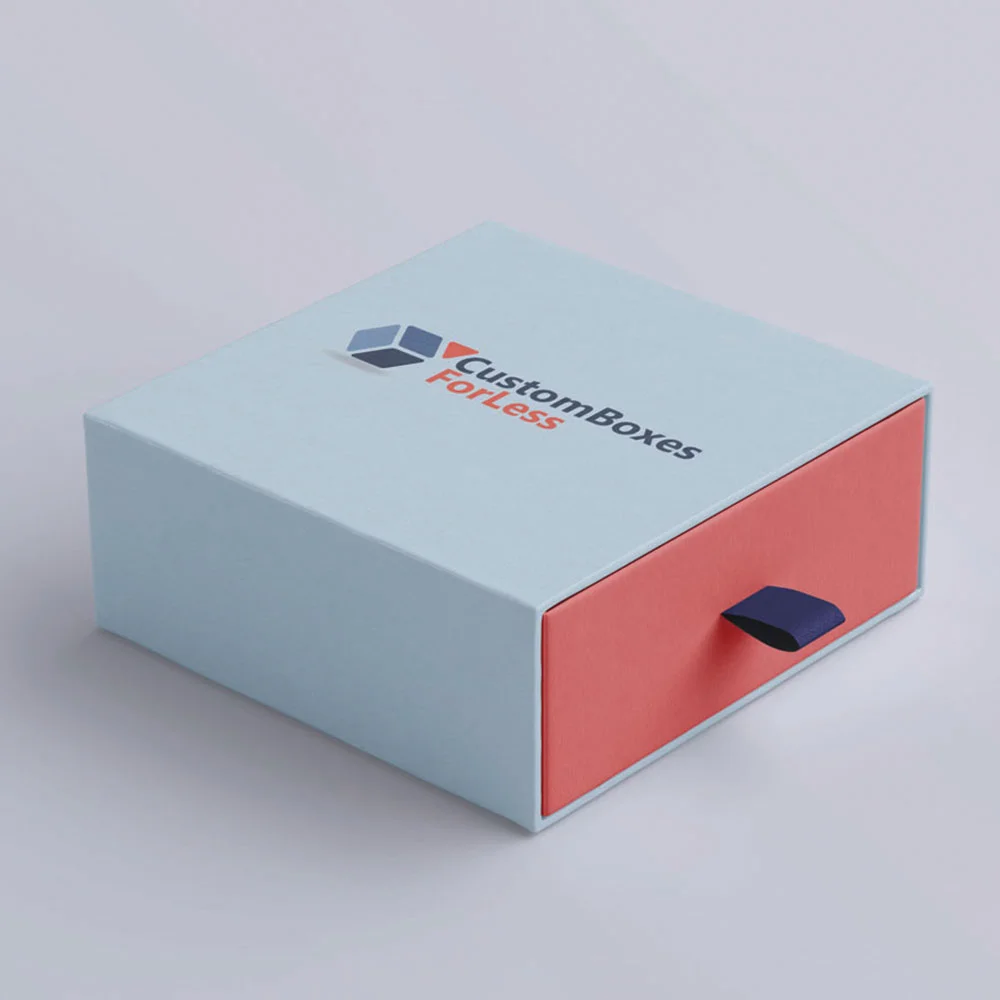
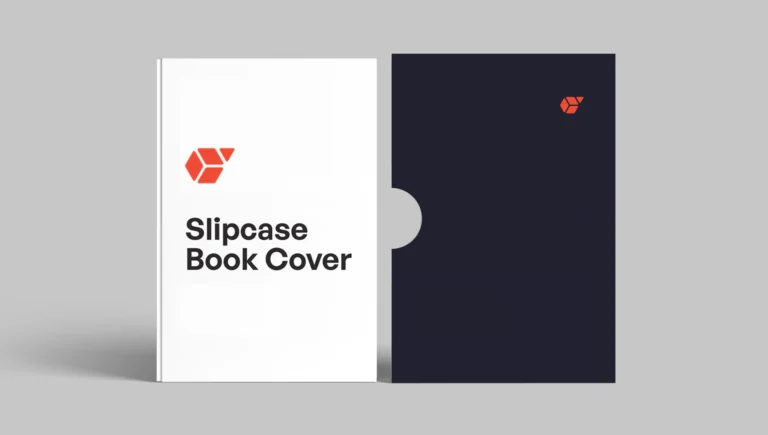
A sleeve-style outer box with an inner tray that slides out. Offers a unique, interactive unboxing experience.
Best for: Tech accessories, stationery, medical devices.
Advantage: Compact; reusable as a storage drawer.
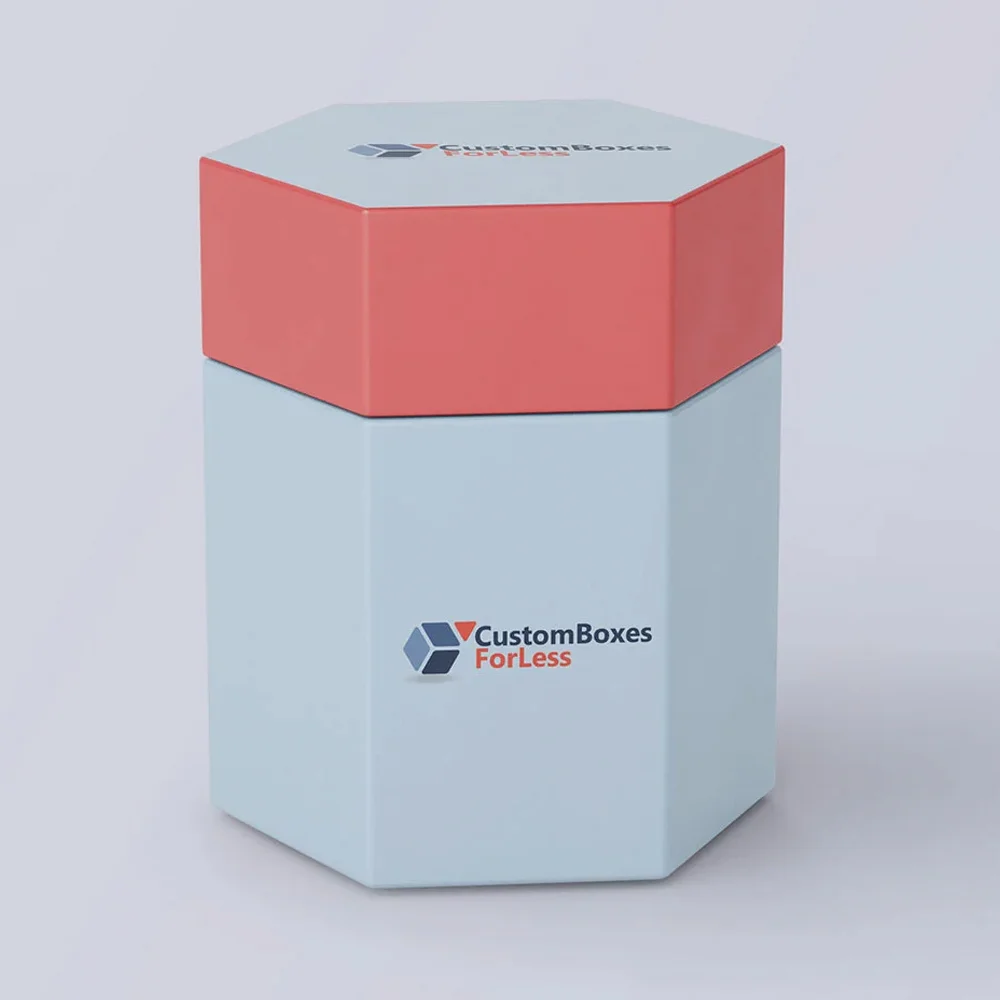
A variation where the lid sits flush with the base, creating a seamless exterior. The “neck” is an internal structure that supports the lid.
Best for: High-end cosmetics, spirits, luxury gifts.
Advantage: Clean, minimalist aesthetic; maximum perceived value.
When you’re ready to explore these styles, our Custom Rigid Boxes Product Page offers detailed specifications and ordering options for each type.
Material & Construction: What Goes Into a Premium Custom Rigid Box
Understanding the components of a rigid box helps you make informed decisions about durability, feel, and cost.
1. The Core: Chipboard (Grey Board)
The structural heart of a rigid box is grey board—a dense, acid-free paperboard made from recycled paper pulp. It is measured in points (pt) or mm.
- Common thickness: 36pt, 48pt, 60pt, 80pt, 120pt.
- How to choose: 36pt–48pt is ideal for small, lightweight items (jewelry). 60pt–120pt is used for larger, heavier products or where extreme durability is needed.
2. The Wrap: Covering Material
The chipboard is wrapped in a decorative sheet, which defines the box’s look and feel.
- Paper wraps: Gloss, matte, or soft-touch laminated paper. Cost-effective and print-friendly.
- Fabric wraps: Linen, silk, or leatherette. Adds a tactile luxury element.
- Specialty wraps: Kraft paper for an eco-friendly aesthetic; textured papers for a unique feel.
3. Printing & Finishing Options
Options for Custom Rigid Boxes go beyond color. These finishes make your packaging distinctive:
| Finish | Description | Effect |
|---|---|---|
|
Spot UV |
Glossy, raised coating on specific areas |
High contrast; draws attention to logos/text |
|
Foil Stamping |
Metallic foil (gold, silver, rose gold, etc.) pressed into the surface |
Elegant, premium, reflective |
|
Embossing/Debossing |
Raised or recessed design elements |
Tactile, sophisticated, dimensional |
|
Matte Lamination |
Non-reflective protective coating |
Soft feel; modern, understated look |
|
Gloss Lamination |
High-shine protective coating |
Vibrant colors; classic retail appeal |
|
Soft-Touch Coating |
Velvety, rubber-like finish |
Ultra-premium tactile experience |
Customization Options: Beyond the Box
The interior and additional features are what elevate a custom rigid box from “nice” to “unforgettable.”
1. Inserts & Padding
Protect your product and enhance presentation with custom inserts:
Foam inserts: Die-cut to fit your product exactly (jewelry, electronics, tools).
Cardboard inserts: Economical and versatile for multi-component kits.
Molded pulp: Eco-friendly, ideal for cosmetics and fragile items.
Ribbon pulls: Silk or satin ribbons for easy product removal.
2. Interior Linings
The inside of the lid or base can be lined with:
Velvet/Felt: Plush, luxurious; ideal for jewelry.
Satin/Silk: Smooth, elegant; often used for high-end accessories.
Paper: Printed or colored paper; cost-effective and clean.
3. Add-On Features
Magnetic closures: Hidden magnets for a secure, seamless closure.
Window cutouts: Clear PVC or acetate windows to preview the product.
Metal corners: Protect edges and add a vintage, industrial luxury look.
Carry handles: Fabric or ribbon handles for gift sets or larger boxes.
Pro Tip: Combining multiple features—like a foam insert with a ribbon pull inside a magnetic closure box—creates a memorable, high-value unboxing experience that customers often share on social media.
Pros and Cons of Custom Rigid Boxes
The Pros
Superior Protection
The thick chipboard construction provides exceptional resistance to crushing, bending, and impact—ideal for shipping high-value items or for retail display.Luxury Perception
Custom rigid boxes instantly signal quality. They elevate perceived product value, which can justify higher price points and increase customer loyalty.No Assembly Required
Arriving fully constructed saves labor time and ensures consistency in presentation, especially important for gift-ready packaging.Extensive Customization
From materials to finishes to inserts, nearly every element can be tailored to your brand identity.Reusability
Consumers often repurpose well-made rigid boxes for storage, extending your brand’s presence in their home.Eco-Friendly Options
Many manufacturers, including us, offer recycled chipboard, FSC-certified paper wraps, and biodegradable inserts.
The Cons
Higher Cost per Unit
Custom rigid boxes are more expensive than folding cartons or corrugated boxes due to materials, labor, and shipping costs (they are heavier and take up more space).Higher Shipping Costs
Because at times they are pre-assembled, they ship in their final form, increasing dimensional weight and freight costs. To save more, the best option would be to have these made as collapsible magnetic closure boxes.Storage Space
Unused inventory occupies more warehouse space compared to flat-packed alternatives.Longer Production Time
The manufacturing process (wrapping, assembly, drying) typically requires longer lead times—often 10–15 business days versus 5–7 for folding cartons.Not Ideal for Extreme Volumes
For massive, low-margin product lines, the cost structure may not align. Rigid boxes are best suited for mid-to-high margin products.
Pros vs. Cons: Quick Comparison
| Factor | Rigid Boxes | Folding Cartons |
|---|---|---|
|
Cost |
Higher |
Lower |
|
Protection |
Excellent |
Moderate |
|
Perceived Value |
Premium |
Standard |
|
Customization |
Extensive |
Moderate |
|
Assembly |
Yes for Collapsible No for Pre-assembled/Pre-constructed |
Required |
Industries & Applications: Who Uses Rigid Boxes?
Rigid packaging is used across virtually every sector where presentation matters.
Jewelry & Watches: Magnetic closure boxes with foam inserts and velvet lining.
Cosmetics & Skincare: Book-style or shoulder neck boxes with soft-touch finishes.
Electronics & Tech: Two-piece boxes with custom foam cutouts for devices and accessories.
Food & Confectionery: Telescoping boxes for chocolates, truffles, and gourmet gifts.
Spirits & Wine: Premium gift boxes with ribbon pulls and foil stamping.
Fashion & Apparel: Large two-piece boxes for shoes, handbags, or luxury apparel.
Medical & Devices: Drawer boxes or telescoping styles with sterile, durable materials.
Subscription Boxes: Reusable rigid boxes that become part of the monthly experience.
How to Order Custom Rigid Boxes: A Step-by-Step Process
Ordering custom packaging can seem daunting, but with a structured approach, it’s straightforward.
Step 1: Define Your Requirements
Product dimensions: Measure length, width, and height precisely.
Quantity: Determine your initial order volume (minimum order quantities vary by manufacturer).
Budget: Establish target cost per unit.
Timeline: Factor in production (10–15 days) plus shipping.
Step 2: Choose Your Style & Materials
Select from the styles above, then choose:
Chipboard thickness
Wrap material (paper, fabric, leatherette)
Printing finishes (foil, spot UV, embossing)
Interior inserts and linings
Step 3: Request a Quote & Samples
Provide your specifications to a packaging partner. A reputable manufacturer will:
Offer a detailed quote within 24–48 hours
Provide a digital proof (die-line template)
Arrange physical samples (often with a fee, credited to final order)
Step 4: Approve Artwork & Proof
Use the provided die-line template to place your artwork.
Ensure critical elements are within the “safe zone” (usually 0.125 inches from cut line).
Approve the digital or physical proof.
Step 5: Production & Quality Control
Once approved, your boxes enter production. Quality checks occur at every stage:
Material inspection
Printing registration
Assembly and wrapping
Final packaging for shipment
Step 6: Shipping & Delivery
Boxes are packed and shipped via your chosen carrier.
Expect tracking information and delivery within the quoted timeframe.
Need assistance? Our team at orders@customboxesforless.com provides free template setup and artwork optimization to ensure your design prints perfectly.
Cost Factors: What Influences the Price of Rigid Boxes?
Understanding pricing helps you make design decisions that balance aesthetics with budget.
| Factor | Impact on Cost |
|---|---|
|
Quantity |
Higher quantities lower per-unit cost (setup costs amortized) |
|
Size and Dimensions |
Larger boxes use more material and increase shipping |
|
Materials |
Specialty wraps (fabric, leatherette) cost more than paper |
|
Printing & Finishes |
Extensive |
|
Assembly |
Foil stamping, spot UV, embossing add $0.50–$2.00 per unit |
|
Inserts |
Foam inserts add more than cardboard or no inserts |
|
Complexity |
Unique shapes, windows, or special features increase tooling costs |
|
Turnaround |
Rush orders (under 10 days) typically incur expedite fees |
Average Price Range:
Simple rigid boxes (small quantity): $4.00–$9.00 per unit
Mid-range (custom finishes, foam inserts): $5.00–$25.00 per unit
High-end (large, complex, premium materials): $25.00+ per unit
For an exact quote tailored to your product, contact our sales team at orders@customboxesforless.com or call us at 302-597-6264.
Frequently Asked Questions
Q: What is the minimum order quantity (MOQ) for custom rigid boxes?
A: MOQs vary by design and complexity. For standard sizes and paper wraps, MOQs often start at 50–100 units. Complex features may require higher MOQs.
Q: Can I get a sample before placing a full order?
A: Yes. Custom Boxes for Less offers pre-production samples also known as prototypes. There is standard fee of $ 350, which is typically credited toward your final order.
Q: How long does production take?
A: Standard production is 15–20 business days after artwork approval. Expedited options may be available for an additional fee.
Q: Do rigid boxes require assembly?
A: If you order boxes that can be produced as collapsible, then you will have to put some time into assembling them upon delivery. For pre-assembled boxes, they arrive fully assembled and ready to use.
Q: Can I add a logo or branding?
A: Absolutely. Logo placement is a core part of customization. Common placements include the lid top, lid front, interior lid, or spine.
Q: Are rigid boxes waterproof?
A: While the chipboard itself is not waterproof, lamination and coating options (gloss, matte, soft-touch) provide water resistance. For high-moisture environments, discuss specific requirements with our team.
Q: Can I order small quantities for a startup or small business?
A: Yes. We cater to small and medium businesses with low MOQs and design support.
Q: How do I design artwork for a rigid box?
A: You will receive a die-line template showing cut lines, crease lines, and safe zones. Place your design elements within the safe zone and extend backgrounds to the bleed area.
Conclusion: Is a Custom Rigid Box Right for You?
Custom rigid boxes are more than packaging—they are a brand statement. If your product:
Has a premium price point
Benefits from an elevated unboxing experience
Requires superior protection
Targets customers who value quality and presentation
…then rigid boxes are likely the ideal choice.
While they require a higher upfront investment compared to folding cartons, the return often comes in the form of:
Higher perceived value (justifying premium pricing)
Increased customer loyalty (memorable unboxing)
Brand differentiation (standing out on shelves and in social media feeds)
By understanding the styles, materials, costs, and process outlined in this guide, you’re equipped to make an informed decision and partner confidently with a packaging manufacturer.
Ready to Create Your Custom Rigid Boxes?
At Custom Boxes For Less, we specialize in helping small and medium businesses access high-quality rigid packaging at competitive prices. Whether you need magnetic closure boxes for jewelry, book-style boxes for tech gadgets, or custom two-piece boxes for luxury goods, our team is here to help.
Free design support from experienced packaging engineers
Low minimum order quantities tailored to SMBs
Transparent pricing with no hidden fees
Dedicated account rep for personalized service
For more details feel free to contact us at orders@customboxesforless.com or call us at 302-597-6264.