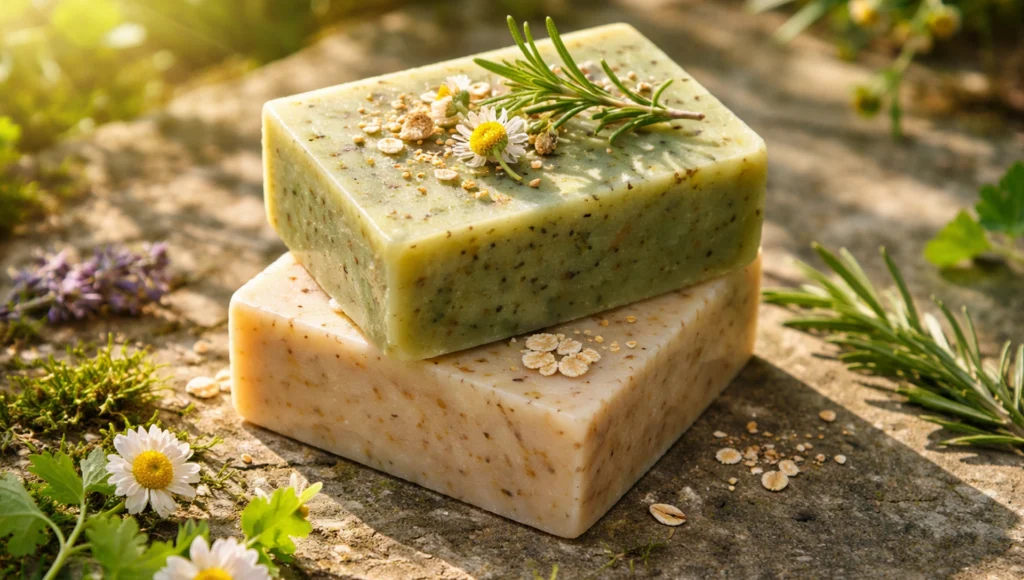
The allure of handcrafted soap is timeless, but in 2026, the market is more vibrant than ever. Consumers are not just looking for cleanliness; they are seeking experiences, ethical sourcing, and skin-loving ingredients. For the aspiring entrepreneur, starting a herbal soap business offers a unique blend of creativity and commerce. With the global soap market projected to reach $76.45 billion by 2032 (up from $48.05 billion in 2024), the opportunity is ripe for those who enter with a solid strategy.
However, turning a passion for herbs and lye into a profitable, sustainable business requires more than just a good recipe. It demands a shift in mindset from hobbyist to CEO. This guide synthesizes expert advice from industry leaders and regulatory bodies to provide you with a 10-step roadmap for launching a successful herbal soap business in 2026.
Market Research: Know Your Herbal Niche
Before you melt a single ounce of oil, you must understand the landscape. The first step is to move beyond the idea of selling “just soap” and dive deep into market research.
Understand Your Customer:
The most common mistake new soapmakers make is creating a product line based on their own preferences. As Modern Soapmaking emphasizes, “you aren’t your target market.” In 2026, successful businesses are built on serving a specific niche. Ask yourself:
Are my customers looking for anxiety-relieving lavender blends, or energizing mint and rosemary for morning showers?
Do they value sustainable, zero-waste packaging over elaborate boxes?
Is their primary concern eczema relief, requiring a focus on calendula and chamomile, or do they seek luxury, desiring sophisticated herbal-fougère scents?
Creating a detailed buyer persona—a semi-fictional profile of your ideal customer—will guide every decision you make, from formulation to marketing.
Analyze the Competition:
Study other herbal soap businesses, but not to copy them. Identify gaps in the market. Perhaps there’s a demand for soaps using locally foraged herbs, or a lack of offerings for men’s grooming using herbal scents like vetiver and cedarwood. Use this analysis to find your unique selling proposition (USP).
Define Your Brand and Niche: Beyond the Herbal Label
In a saturated market, branding is your backbone. It’s far more than a pretty logo and a color palette. According to Modern Soapmaking, “your brand should guide every action and decision you make in business.”
Define Your Herbal Niche:
Your herbal angle is your niche. It’s what will attract a dedicated following. Consider these herbal-focused niche ideas:
Adaptogenic Herbal Soaps: Infused with herbs like ashwagandha or tulsi, marketed for stress relief and wellness.
Foraged & Wildcrafted Soaps: Sourcing local, wild-harvested herbs like yarrow or plantain, appealing to hyper-local and sustainability-focused consumers.
Apothecary-Inspired Soaps: Focusing on single-herb formulations (e.g., a pure calendula soap) with a vintage, medicinal aesthetic.
Herbal Solutions for Skin Conditions: Developing targeted soaps for eczema, psoriasis, or acne using herbs like chamomile, comfrey, and tea tree oil, while being very careful about any drug claims.
Build Your Brand Identity:
Your brand identity must reflect your herbal niche. This includes your:
Brand Name & Logo: Evokes nature, healing, or purity.
Packaging Design: Eco-friendly, minimalist packaging often resonates with the natural soap buyer. As WiziShop notes, packaging must be both functional and reflective of your brand’s personality.
Voice & Tone: Your communication should feel knowledgeable, calming, and trustworthy.
Choose Your Soapmaking Method & Source Herbs
Your choice of soapmaking technique will define your production process, especially when working with herbs. The WiziShop guide breaks down the primary methods, each with pros and cons for a herbal business.
Cold Process: The gold standard for many herbalists. This method allows for complete control over ingredients, ensuring you use high-quality herbal-infused oils. However, the high pH during saponification can discolor delicate herbs and alter some herbal properties. You’ll need to cure soaps for 4-6 weeks.
Melt and Pour: As CandleScience highlights, this is an excellent, beginner-friendly option with a low initial investment. You can add dried herbs, essential oils, and herbal powders directly to a pre-made, glycerin-rich base. The advantage is that the soap is ready to use in hours. However, you have less control over the base ingredients, and herbs can sometimes bleed or go rancid if not used correctly.
Hot Process: This method cooks the soap, speeding up saponification. It results in a rustic, textured bar. Adding herbs and essential oils after the “cook” phase can help preserve their scent and properties, as they aren’t exposed to the full force of the lye reaction.
Rebatching: This involves grating pre-made soap, melting it with a liquid (often a herbal tea), and adding herbs. It’s a great way to salvage batches or incorporate delicate botanicals that wouldn’t survive the lye in cold process, though the final look is less refined.
Sourcing Your Herbs:
Your herbal ingredients are your core asset. Are you using organic, ethically sourced herbs? Will you grow them, forage them (with permission and knowledge), or buy from a reputable supplier? This story is a powerful marketing tool.
Create a Solid Business Plan
A business plan is your roadmap to success. It doesn’t have to be a novel, but it must be a clear, written document that outlines:
Executive Summary: A snapshot of your business and its goals.
Company Description: Your mission, vision, and the herbal niche you’re filling.
Market Analysis: Your research on the target market and competition.
Product Line: Details on your initial herbal soap offerings (maximum 10 products is wise advice from Modern Soapmaking).
Marketing & Sales Strategy: How you will reach your customers.
Operational Plan: Your production process, space, and equipment.
Financial Projections: Startup costs, pricing strategy, and sales forecasts.
This plan forces you to think critically about your business and is essential if you ever seek a loan or investors.
Register Your Business and Understand Legalities
This is where many passionate makers stumble. In 2026, compliance is non-negotiable. You must navigate local, state, and federal regulations.
Business Structure:
Choose a legal structure. A Limited Liability Company (LLC) is often recommended for soapmakers as it separates your personal assets from your business liabilities, offering a layer of protection.
The Critical FDA vs. CPSC Distinction:
This is perhaps the most important regulatory nuance. According to the Consumer Product Safety Commission (CPSC) and FDA, your product’s classification depends on its ingredients, claims, and intended use.
True Soap: To be regulated by the CPSC, your product must meet all three of the FDA’s criteria:
Ingredients: The bulk of it is an alkali salt of fatty acids (the result of mixing fats/oils with lye).
Cleaning Action: Its cleaning properties come solely from these alkali-fatty acid compounds.
Intended Use: It is labeled and marketed only as soap.
If your herbal soap meets these criteria, it falls under CPSC jurisdiction and generally has simpler labeling requirements (though it must not be a hazardous substance).
Cosmetic: If your herbal soap is intended to moisturize, fragrance, or deodorize, it is regulated by the FDA as a cosmetic. This means you must comply with FDA labeling regulations, including listing ingredients in descending order of predominance using the International Nomenclature of Cosmetic Ingredients (INCI) names.
Drug: If you make any claims that your soap treats, prevents, or cures a disease or condition (e.g., “treats eczema,” “cures acne,” “kills germs”), it is classified as a drug and must meet much stricter FDA requirements, including pre-market approval. Avoid therapeutic claims unless you are prepared for the complex and costly process of drug approval.
For a herbal soap business, you will likely be in the “cosmetic” category if you make claims about moisturizing or skin-softening properties. It’s crucial to review the FDA’s guidance on this matter.
Other Requirements:
Insurance: You absolutely need product liability insurance before selling a single bar. This protects you if a customer claims your soap caused an injury.
Local Permits: Check with your local city or county for business licenses, home occupation permits, and health department regulations.
Design Your Label and Packaging with Compliance in Mind
Your packaging is a critical intersection of marketing and legal compliance. The article on our site “8 Questions About Soap Packaging Boxes” emphasizes that labeling requirements are strict.
Labeling for Cosmetics (Your Likely Category):
Your label must include:
Identity Statement: What the product is (e.g., “Calendula & Oatmeal Herbal Soap”).
Net Quantity of Contents: The weight of the soap (e.g., 4 oz, 113 g).
Ingredient Declaration: A list of ingredients in descending order of predominance. For a cold-process herbal soap, this often starts with ingredients like Sodium Olivate (olive oil saponified), Sodium Cocoate (coconut oil saponified), and then water, essential oils, and herbs.
Warnings: If applicable (e.g., “For external use only”).
Business Information: Your business name and address.
Design Tips:
Keep it simple and protective. Melt and pour soap needs to be wrapped to prevent sweating. Cold process soap can be wrapped in paper or left to cure on racks, but needs protection for sale.
Use eco-friendly materials. As WiziShop notes, sustainable options like kraft paper or cardboard sleeves are highly appealing to the herbal soap customer.
Ensure readability. Your font must be clear, and your label must be durable enough to withstand the soap’s environment.
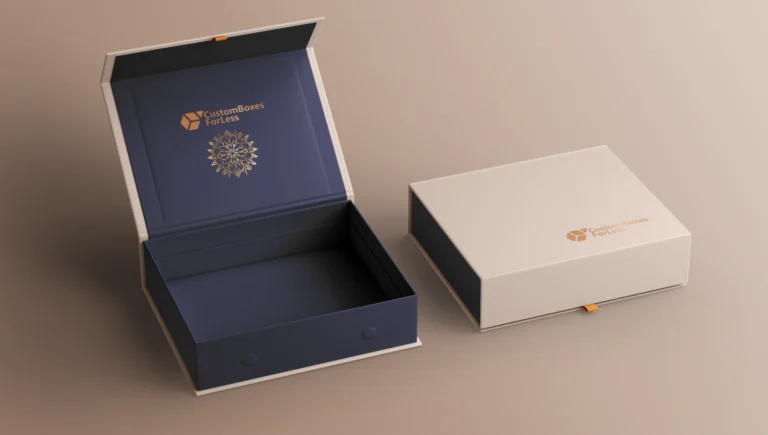
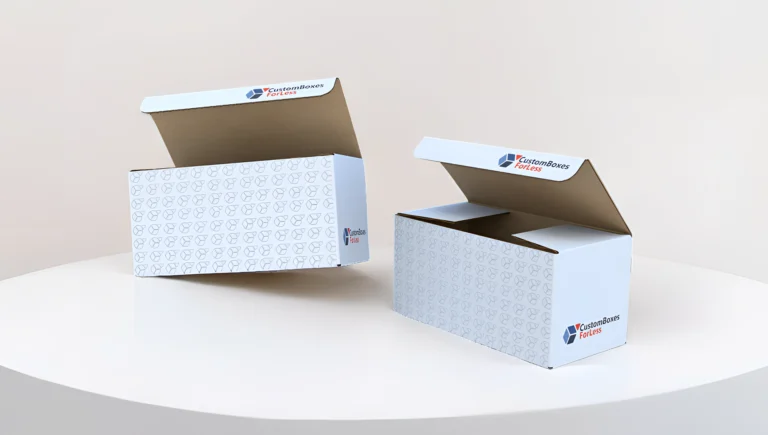
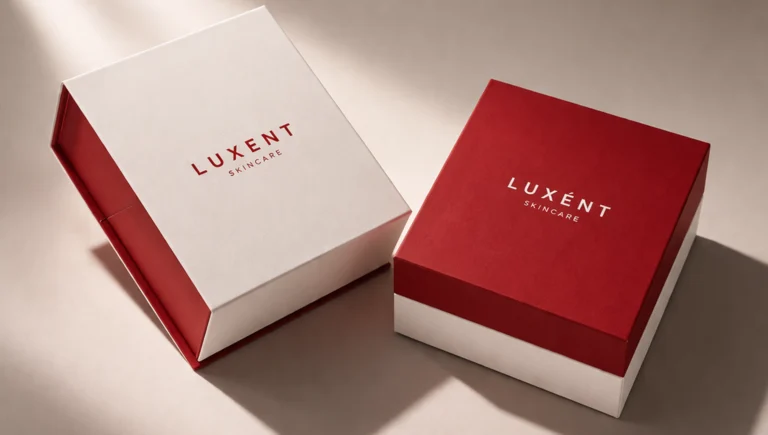
We have a carefully laid out section of Soap Boxes that you can view and chose which one fits your business the most. Below images also provide a quick outlook of our work.


Set Up Your Production Space
Your workspace is the heart of your business. It must be dedicated, clean, and organized. WiziShop recommends designating a space separate from living and food prep areas to prevent contamination.
Key Elements:
Sanitation: You must follow Good Manufacturing Practices (GMP) as outlined by the FDA. This means having easy-to-clean surfaces, a strict cleaning schedule, and procedures to prevent cross-contamination.
Safety: If you’re working with lye (for cold or hot process), you must have proper ventilation, and safety equipment (goggles, gloves, long sleeves) readily available.
Organization: Set up zones for different tasks: a “wet” zone for mixing, a “curing” zone with proper airflow, and a “dry” zone for packaging and storage.
Equipment: Invest in quality tools like a reliable digital scale, stick blender, accurate thermometer, and molds.
Develop and Test Your Herbal Formulations
This is the creative part, but it must be approached with a scientific mindset. Developing a product line isn’t just about making what smells good; it’s about creating stable, safe, and effective products.
Shelf-Life Testing:
As Modern Soapmaking warns, you need to know how your herbal soap will hold up over time. Will the dried calendula petals turn brown and rot? Will the essential oil scent fade within a month? Will the soap develop orange spots (DOS – dreaded orange spots)? Test your soaps under different conditions (a warm, humid bathroom; a cool, dark closet) to ensure they maintain integrity for at least a year.
Safety and Skin Testing:
Before selling, you must be confident your soap is safe. Conduct pH testing to ensure there is no residual lye. Perform skin patch tests with a small group of testers to check for irritation, especially when using essential oils or new botanical ingredients.
User Feedback:
Give your test soaps to real people—not just friends and family who might be biased—and ask for honest feedback on lather, scent, feel, and performance. Use this feedback to refine your final recipes.
Choose Your Sales Channels
How you sell will dictate your marketing, packaging, and production volume.
In-Person Sales:
Farmers Markets & Craft Fairs: Excellent for building a local following, getting immediate feedback, and telling your herbal story directly to customers.
Local Boutiques & Gift Shops: Selling wholesale can provide steady income, but requires consistent production capacity and a professional sales approach.
Online Sales:
Your Own Website: Using a platform like WiziShop gives you full control over your brand, customer data, and profit margins. It allows you to leverage powerful SEO tools to attract customers searching for “organic herbal soap” or “lavender soap for sensitive skin.”
Online Marketplaces (Etsy): A great way to tap into an existing customer base, especially when starting out. However, you compete on a crowded platform with less control over your brand’s presentation.
A hybrid model—selling at local markets while also building an online store—is often the most effective strategy for growth.
Launch, Promote, and Master the Business Mindset
- Match internal dimensions to product dimensions — measure your product at its widest points
- Account for insert thickness — a 10mm foam insert means 10mm less internal clearance in every direction
- Use standard size options where possible — standard sizes don’t require custom tooling, which reduces both cost and lead time
- Order a sample of your chosen standard size before committing if you’re working with precise product dimensions
Ordering Magnetic Gift Boxes — What to Know
You’ve made the soap, designed the labels, and set up your shop. Now it’s time to sell.
Promote Your Herbal Story:
Your marketing should focus on your herbal niche. Use social media platforms like Instagram and TikTok to share:
Behind-the-scenes videos of you infusing oils with herbs.
Educational content about the benefits of specific herbs (without making drug claims).
Your sourcing story and commitment to sustainability.
The Entrepreneurial Mindset:
This final step is about mindset. Modern Soapmaking delivers a crucial truth: “You don’t get to make soap all the time when you own a soap business.” In fact, as a business owner, less than 20% of your time should be spent on production. The rest must be dedicated to marketing, sales, bookkeeping, and strategy.
This means:
Conquering Fear: Fear of pricing, fear of rejection, and fear of failure are your biggest enemies. Recognize them and push through.
Planning for Profit: Never compete on price alone. If you undervalue your product, customers will, too. Price your herbal soaps to ensure a healthy profit, and find the customers who value the quality and ingredients you provide.
Building for the Future: Have an end goal in mind. Do you want to stay a one-person kitchen operation, or build a manufacturing space with employees? Your business decisions should align with your long-term vision.
Frequently Asked Questions
1. Do I need FDA approval to sell my herbal soap?
It depends on how you label and market your product. According to the FDA and CPSC guidelines, if your herbal soap is made primarily from fats and alkali (lye), its cleansing action comes solely from those compounds, and you market it only as soap (without claims like “moisturizing” or “heals eczema”), it is considered “true soap” and regulated by the CPSC, not the FDA. However, if you make any claims that your soap moisturizes, deodorizes, or treats a skin condition, it is classified as a cosmetic or drug, bringing it under FDA jurisdiction with stricter labeling and compliance requirements.
2. What is the most profitable niche for a herbal soap business?
Profitability often lies in specificity rather than broad appeal. High-profit niches include:
Targeted solutions: Soaps formulated for specific concerns like eczema, psoriasis, or acne (while carefully avoiding drug claims).
Luxury artisan soaps: Visually intricate bars made with premium, rare herbs and sophisticated essential oil blends.
Hyper-local wildcrafted soaps: Using foraged local herbs to appeal to sustainability-focused, community-minded consumers.
Men’s grooming: Herbal soaps with bold, earthy scents like vetiver, cedarwood, and sandalwood tailored for male customers.
As Modern Soapmaking notes, there is a market for everything—you just have to find the right audience and avoid competing on price alone.
3. How much time will I actually spend making soap?
Far less than you might think. According to Modern Soapmaking, once you start a soap business, less than 20% of your time should be dedicated to production (including making, packaging, and ordering supplies). The majority of your time must be spent on marketing, sales, customer service, bookkeeping, and business strategy. If you spend all your time making soap, you will end up with an expensive hobby rather than a profitable business.
4. What insurance do I need before selling herbal soap?
You absolutely need product liability insurance before selling a single bar. This protects you if a customer claims your soap caused an injury, allergic reaction, or other harm. Many soapmakers also carry general liability insurance to cover incidents that may occur at craft shows or markets (e.g., a customer tripping over your booth). Insurance providers that specialize in crafters and small-batch manufacturers are a good place to start.
5. Can I use dried herbs like calendula or lavender petals in my soap?
Yes, but with caution. Dried herbs can add visual appeal and a connection to your herbal branding. However, they can also:
Turn brown or black over time due to the high pH of cold process soap.
Create a breeding ground for bacteria if they absorb moisture.
Become scratchy or uncomfortable on the skin.
To mitigate these issues, many herbal soapmakers infuse their oils with herbs (straining out the plant material before soapmaking) rather than embedding dried herbs directly into the bars. If you do embed herbs, ensure they are finely ground and tested for stability over time.
6. What are the labeling requirements for herbal soap?
If your herbal soap is classified as a cosmetic (e.g., you claim it moisturizes), your label must include:
Product identity: What the soap is (e.g., “Calendula & Chamomile Herbal Soap”).
Net weight: In both ounces and grams.
Ingredient list: In descending order of predominance, using INCI (International Nomenclature of Cosmetic Ingredients) names.
Business name and address.
If your product is classified as true soap (no cosmetic claims), the FDA does not require an ingredient list, though many soapmakers choose to include one for transparency. Regardless, you must comply with the Fair Packaging and Labeling Act and any state-specific requirements.
7. How do I price my herbal soap to make a profit?
Avoid the trap of pricing based on what competitors charge. Instead, use a cost-based pricing model that accounts for:
Cost of goods sold (COGS): Ingredients, packaging, labels, and supplies per bar.
Overhead: A portion of your equipment, utilities, insurance, and marketing costs.
Your time: A fair hourly wage for production and business management.
Profit margin: A healthy percentage to reinvest and grow your business.
As Modern Soapmaking advises, competing on price alone is unsustainable. The market will bear a fair price if you find the right niche and effectively communicate the value of your handcrafted, herbal product.
8. Should I start with cold process or melt and pour soap?
It depends on your goals and experience level.
Melt and pour is excellent for beginners. It requires no lye handling, has a low initial investment, and allows you to launch quickly. It’s also a great way to test the market with your herbal concepts. However, you have less control over the base ingredients.
Cold process offers complete control over every ingredient, which is ideal if your brand is built on a specific herbal oil blend or a minimalist, from-scratch philosophy. It requires more upfront learning, safety precautions, and a 4-6 week curing time, but it often yields higher profit margins and a more customizable product.
CandleScience recommends starting with melt and pour to learn the flow of production and sales before transitioning to cold process if desired.