Introduction: The Battle for Shelf Space
In today’s competitive retail landscape, your product’s packaging is far more than a protective shell—it’s a silent salesperson, a logistics workhorse, and a brand ambassador. For stores, retail-ready packaging (RRP), particularly in the form of tuck boxes, is no longer a luxury but a critical expectation. This comprehensive guide dives into what retailers truly demand from your tuck box packaging, detailing how to create designs that win shelf space, streamline operations, and drive sales.
What Are Retail-Ready Tuck Boxes?
Retail-Ready Tuck Boxes are a form of secondary packaging designed to seamlessly transition from shipping carton to store shelf with minimal handling. Unlike traditional plain brown boxes, these are purpose-built for the retail environment.
Key Characteristics:
Self-Contained Display: The box itself becomes the display unit.
Easy Open & Stock Features: Requires no knives or excessive effort.
Branded & Informative: Carries full marketing and product information.
Standardized Sizes: Often designed to fit modular shelf dimensions.
The Retailer's Checklist: Core Expectations for Your Packaging
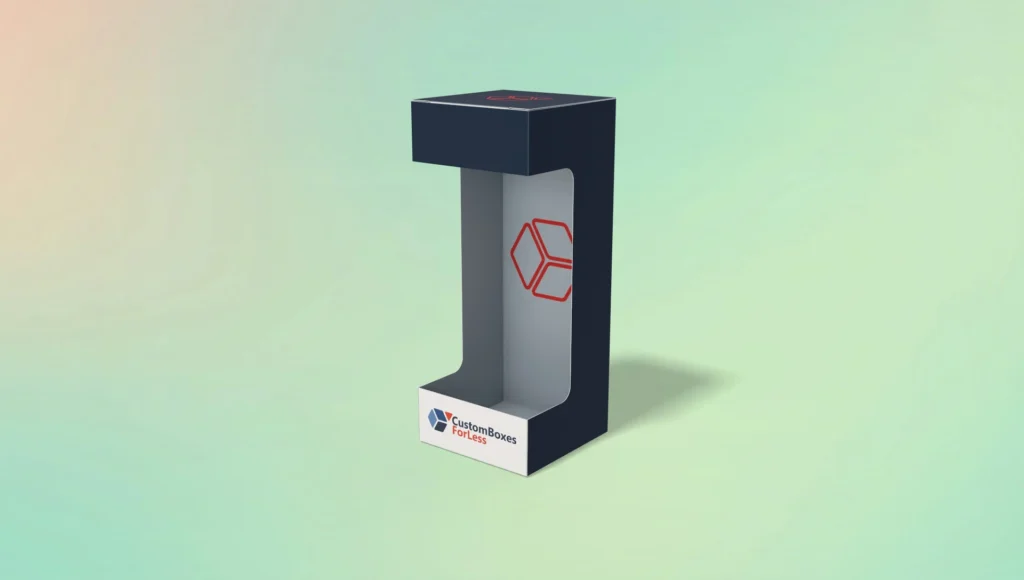
Big-box retailers, boutique shops, and everyone in between have a shared set of demands for the packaging that enters their stores. Meeting these expectations directly impacts your likelihood of securing and maintaining valuable shelf space. One of such demands is to show the product while it is packaged (Read our article about 5 Popular types of Die Cut Window Boxes). These transparent film cut-outs are added to die-cut areas on the box. As a result it allows customers to see the product before purchase to obtain a sense of the product’s quality.
Tuck boxes offer various styles—such as straight end, reverse end, snap lock, and auto-lock—while they offer distinct functional uses. Moreover, adding a patch window to different tuck box styles serve specialized needs based on product size, weight, and industry. Let’s now look at some of the demands, storeowners have for retail-ready tuck-boxes.
1. Efficiency in Handling & Merchandising (The Top Priority)
Retailers operate on thin margins and high labor costs. Your packaging must minimize time and effort.
Speed to Shelf
One-Touch Ready: The case pack should be placed directly on the shelf without transferring items individually.
Clear Open Instructions: Perforated tear strips or clearly marked “Open Here” indicators.
No Additional Tools Required: Elimination of plastic clamshells (“wrap rage”) or secured ties that frustrate staff and customers.
Easy Replenishment & Inventory
UPC/QR Codes on Multiple Sides: Allows for quick scanning without repositioning the box.
Visible Stock Levels: Store staff can instantly see when inventory is low.
Standardized Case Counts: Predictable pack quantities aid in inventory management and ordering.
2. Compelling In-Aisle Visual Appeal
Once on the shelf, your tuck box must arrest attention and communicate swiftly.
Dominant Branding & Clarity
High-Contrast Logo & Brand Name: Readable from at least 10 feet away.
Crisp Product Photography or Illustrations: Shows the product in its best light.
Uncluttered Design: Avoids visual noise; focuses on key selling points.
Critical Consumer Information at a Glance
Clear Product Variant Differentiation: Flavor, scent, size, or model must be unmistakable.
Key Benefits & Features: Use bullet points or icons for quick digestion.
Trust Signals: Logos for certifications (Organic, Non-GMO, Cruelty-Free) or awards.
3. Structural Integrity & Product Protection
A damaged product is a lost sale and a logistical headache for the store.
Durability Through the Supply Chain
Corrugated or Rigid Board: Must withstand shipping, warehouse handling, and in-store logistics.
Secure Internal Fit: Uses inserts, partitions, or a snug die-cut to prevent product movement and damage.
Resistance to Crushing: Maintains shape when stacked in warehouses and on shelves.
Customer-Friendly Experience
Easy Product Removal: Customers can take one unit without disrupting the entire display.
Re-Closable Features (if applicable): Tuck flaps allow for neatness after a customer examines the product.
Clean Opening: Perforations or cuts that don’t leave ragged, sharp edges.
4. Sustainability & Space Optimization
Modern retailers are keenly aware of their environmental footprint and storage limitations.
Sustainable Material & Design
Recyclable & FSC-Certified Materials: A clear end-of-life story is expected.
Minimalist Material Use: Right-sized packaging that reduces waste.
Soy-Based or Water-Based Inks: For easier recycling and reduced VOC emissions.
Efficient Use of Space
Optimized Cube: Designs that minimize “air” in the box, allowing more product per pallet and shelf.
Stackability: Stable for vertical merchandising in multiple configurations.
Modular Dimensions: Fits standard shelf heights and depths (e.g., 8″, 10″, 12″ shelves).
The Consequences of Ignoring Retail-Ready Standards
Failing to meet these expectations has direct business consequences:
Slippage & Refusal: Your product may be rejected by major retailers’ distribution centers.
Poor Placement: Assigned unfavorable lower or top-shelf positions.
Incidental Fees: Charged “handling” or “prep” fees for labor-intensive packaging.
Damaged Product & Returns: Increased shrink and customer dissatisfaction.
Lost Reorders: If it doesn’t sell or is a hassle, it won’t be reordered.
How to Develop Winning Retail-Ready Tuck Boxes: A Actionable Guide
Step 1: Collaborate Early
Engage with Buyers: Ask for their specific vendor packaging guidelines.
Involve Your Printer/Converter: Leverage their expertise in structural design and material science early in the process.
Step 2: Prototype & Test Relentlessly
Create Physical Mock-Ups: Don’t rely on digital designs alone.
Conduct a “Store Test”: Have staff unfamiliar with the product try to open, shelf, and replenish it. Time them.
Ship Test Units: Send prototype-packed products through a real logistics channel to assess durability.
Step 3: Balance Cost with Value
Calculate Total Cost: Factor in potential retailer chargebacks, labor savings, and sales uplift from better presentation.
Consider a Phased Approach: Start with your top retail partners or bestselling SKUs.
Conclusion: Packaging as a Strategic Partnership
Retail-ready tuck boxes represent a fundamental shift in mindset: your packaging is not just for your customer, but for your retail partner. By designing for the store’s efficiency, the shelf’s visual competition, and the consumer’s ultimate experience, you transform your packaging from a mere container into a powerful tool for trade marketing, brand growth, and operational excellence.
Investing in retail-ready design is a clear signal to retailers that you are a professional, considerate partner invested in a mutually successful relationship. In the high-stakes game of retail, that is the most powerful message your box can deliver.